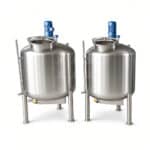
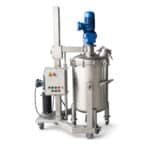
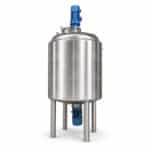
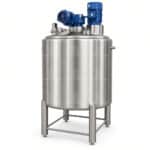
Mushroom Processing Autoclave Fermentation Tank with Agitator
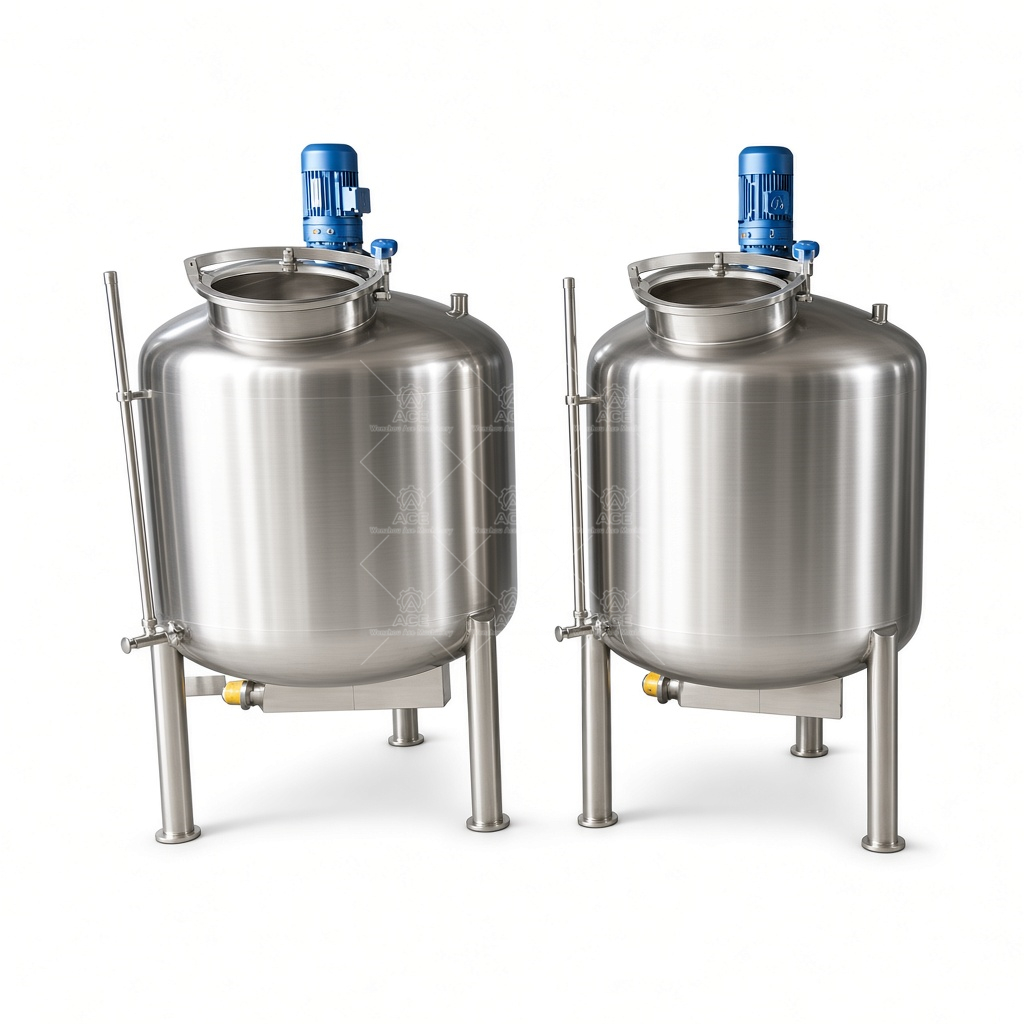
A configurable mushroom-processing vessel for batch heating, fermentation, coating, or agitated mixing duties. Final design depends on product viscosity, solids, batch volume, temperature and pressure requirements, cleaning method, and available utilities. Define whether the process needs a pressure-rated autoclave or a heated mixing tank before requesting a quotation, since each duty affects materials, seals, agitation, controls, and fabrication.
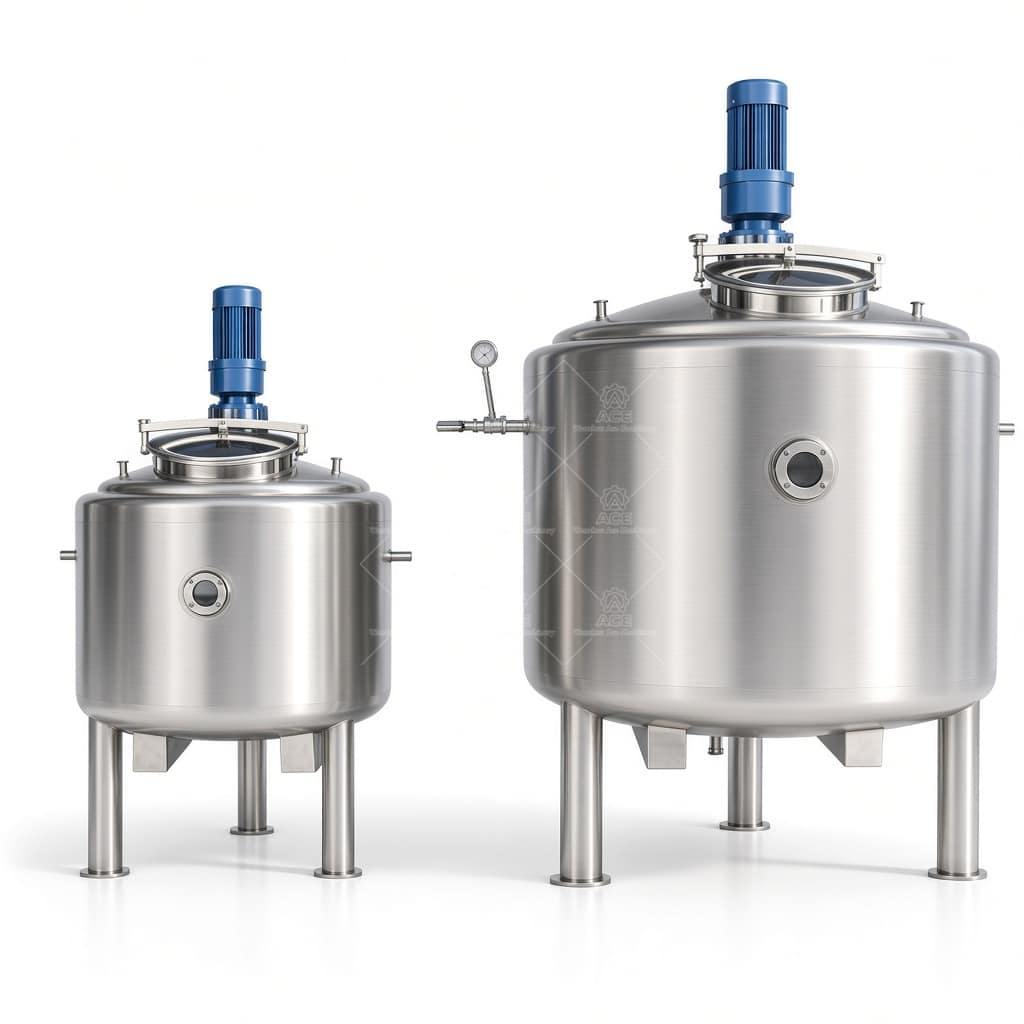
- Capacity: 50 liters to 30,000 liters
- Mixer power: 1.5 kW to 55 kW
- Material: 304 or 316L
- Voltage: 110V to 600V
- Heating method: Electric or steam heating
- Layer:single/double jacket/three jacket
- Mixer types: Impeller-type, Anchor-type, Turbine-type, High-shear-type, Magnetic mixer, Anchor-type mixer with scrapers,dispersing
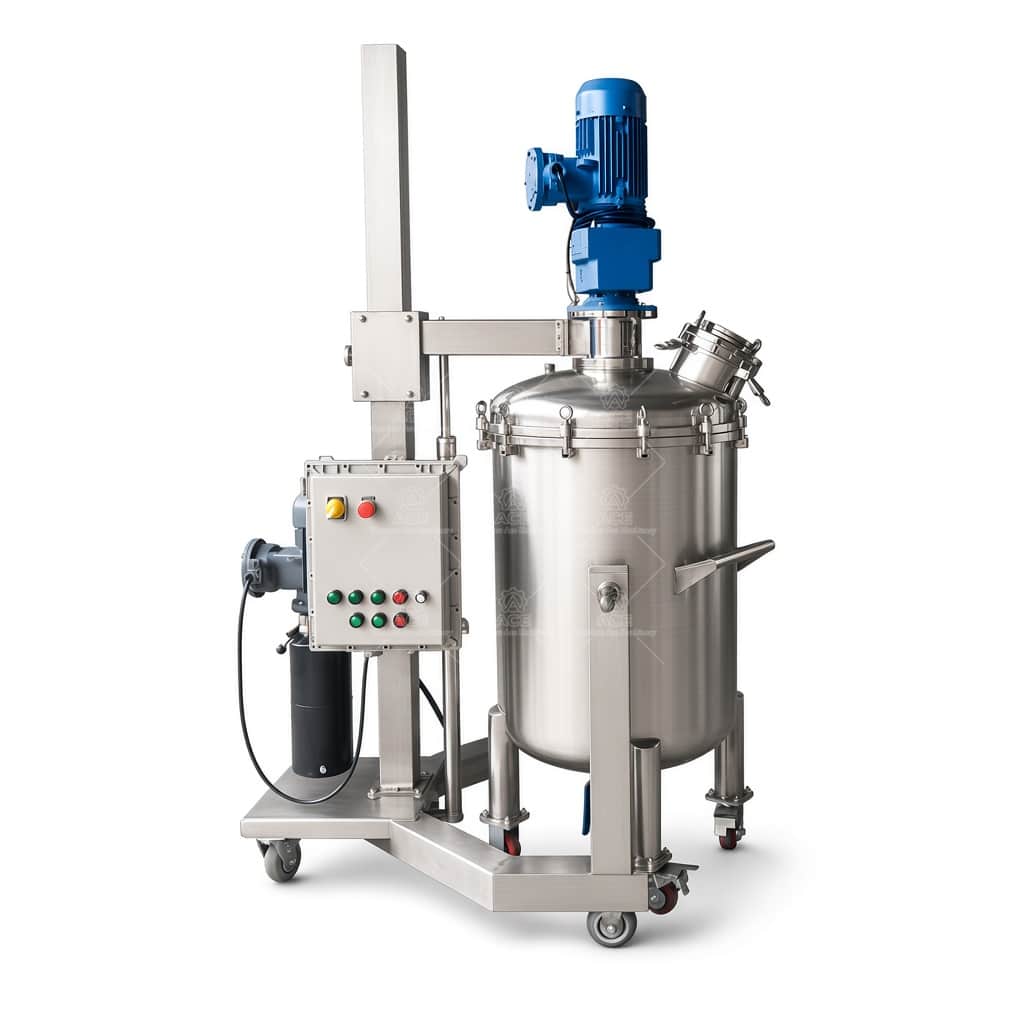
- Optional: platform, wheels, ladder,variable frequency drive,explosion-proof device
- Certificates: ASME, CE, GMP, UL, ATEX, ISO 9001
- Our equipment supports customisation, global delivery, and a 1-year warranty.
- If you have drawings, we can process them for you.
Note: Please contact our sales team before placing an order. Website prices are for reference only; specific pricing requires understanding your requirements to provide a quote.
Email:info@ace-chn.com
Tel: +86 186 2683 5909
WeChat: ace-chn
WhatsApp: +86 186 2683 5909
¥2,609.20 – ¥3,105.47Price range: ¥2,609.20 through ¥3,105.47
Guaranteed Safe Checkout

Recommend RPM: 0-960RPM
Viscosity: Low/medium viscosity
Application: Mainly Liquid mixing

Recommend RPM: 0-200RPM
Viscosity: Low/medium viscosity
Application: Mainly Liquid mixing

Recommend RPM: 30RPM
Viscosity: Medium/High viscosity
Application: Melting, High viscosity product mixing, For single wall tank

Recommend RPM: 30RPM
Viscosity: Medium/High viscosity
Application: Melting, High viscosity product mixing, For jacket tank

Recommend RPM: 1480/2850 RPM
Viscosity: Low/medium viscosity
Application: Liquid powder mixing and dispersion

Recommend RPM: 2800 - 3200 RPM
Viscosity: Low/medium/High viscosity
Application: Liquid powder mixing and homogenizing

Recommend RPM: 0-355RPM
Viscosity: Low/medium viscosity
Application: Install at bottom, No mechanical seal working condition

Recommend RPM: As above
Viscosity: Low/medium viscosity
Application: Liquid powder mixing and dispersion For tank volume >300L
Process configuration starts with the product
This mushroom-processing vessel is intended for batch operations that may combine heating, agitation, fermentation, or coating. Those duties place different demands on a tank. A cooked mushroom sauce, a fermentation broth, and a coating slurry do not necessarily need the same agitator, surface finish, or pressure design. We configure the vessel around the actual recipe and sequence rather than treating “autoclave” as a generic tank feature.
Confirm whether the process requires pressurized sterilization, atmospheric heating, or simply a heated mixing vessel. A pressure-rated autoclave requires a defined design pressure, temperature, applicable code basis, and suitable safety devices; these cannot be inferred from the product name. Heating may be specified through a jacket or another arrangement after reviewing batch size, viscosity, heat-up time, and available utilities. Temperature probes and controls should match the required process accuracy and cleaning method.
Construction and drive selection
Product-contact stainless steel grade depends on ingredients, salt or acid exposure, cleaning chemicals, and sanitation requirements. 304 and 316L are common candidates, but suitability must be checked against the process. Weld locations, drainability, internal polish, and the finish around ports matter: rough transitions and poorly placed outlets can retain product and complicate cleaning. Seal materials also need to tolerate process temperature, pressure, and cleaning agents.
For low-viscosity liquids, a simple mixing element may be sufficient. Thick sauces, particulates, or coating applications can call for a different impeller geometry and slower, higher-torque operation. Motor and gearbox sizing depend on working volume, viscosity, solids, and startup conditions. Scrapers may help limit buildup on heated surfaces, but add wear parts and maintenance points. We review access for seal service, agitator removal, and cleaning before finalizing the layout.
Specification basis
| Item | What must be defined |
|---|---|
| Capacity | Working and maximum batch volume |
| Vessel duty | Fermentation, heating, coating, or pressure sterilization |
| Materials | Product-contact grade, seal compatibility, finish |
| Agitation | Product viscosity, solids, mixing objective |
| Utilities | Heating source, power, controls, site conditions |
FAQ
Can one vessel perform every listed process? Possibly, but pressure, temperature, cleaning, and agitation requirements must be reconciled before design.
What should accompany a quotation request? Send recipe characteristics, batch volume, process temperatures and pressures, cycle time, cleaning method, utility details, and any applicable plant or code requirements. These details let our engineering team recommend a buildable configuration and identify tradeoffs before fabrication.
