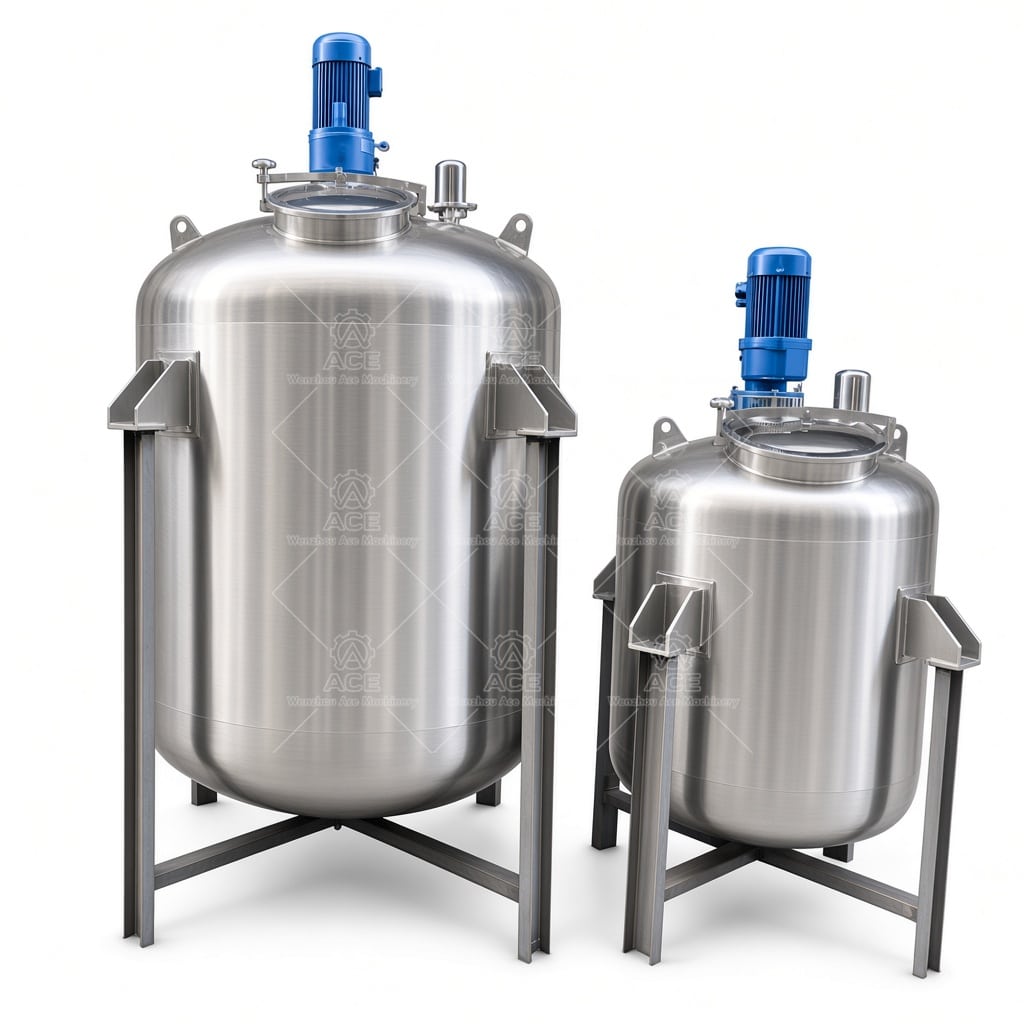
100 to 1000L ASME Stainless Steel Mixing Tank for Chemical Food and Beverage
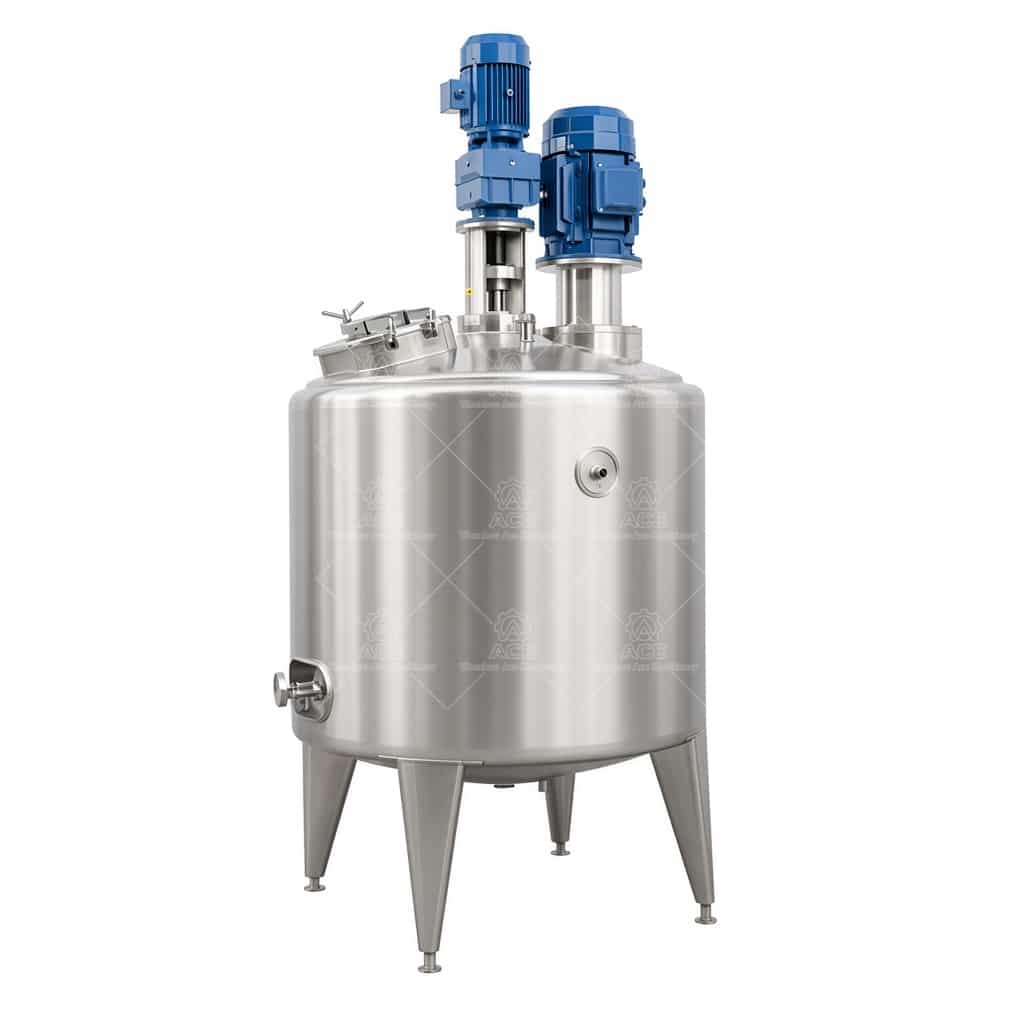
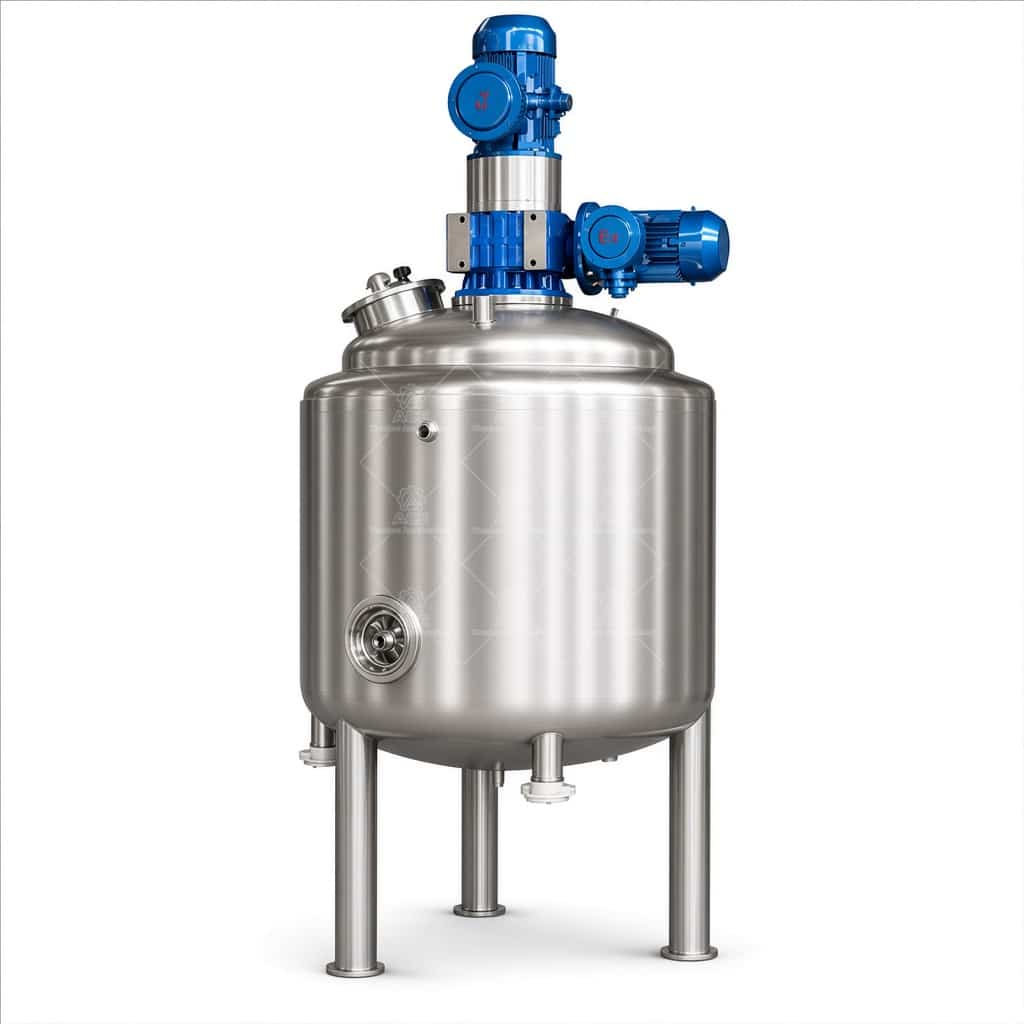
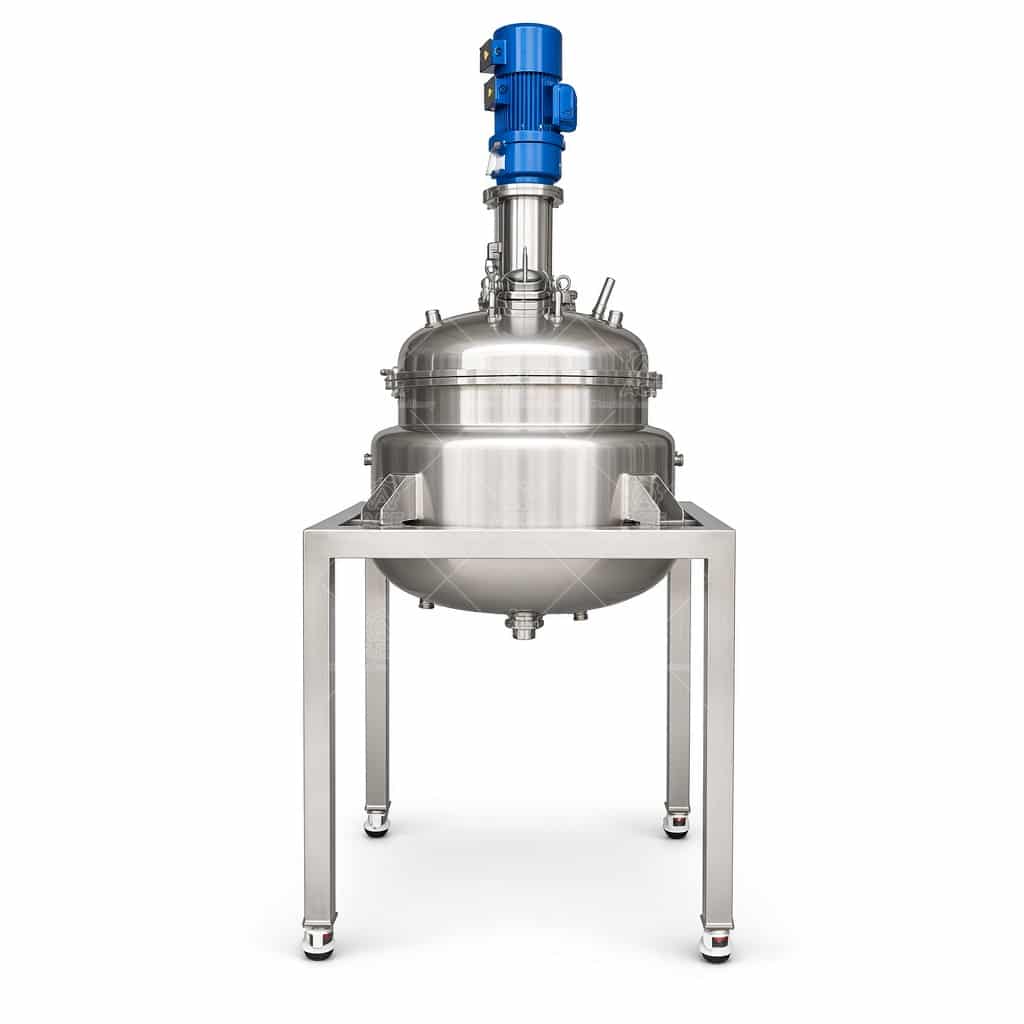
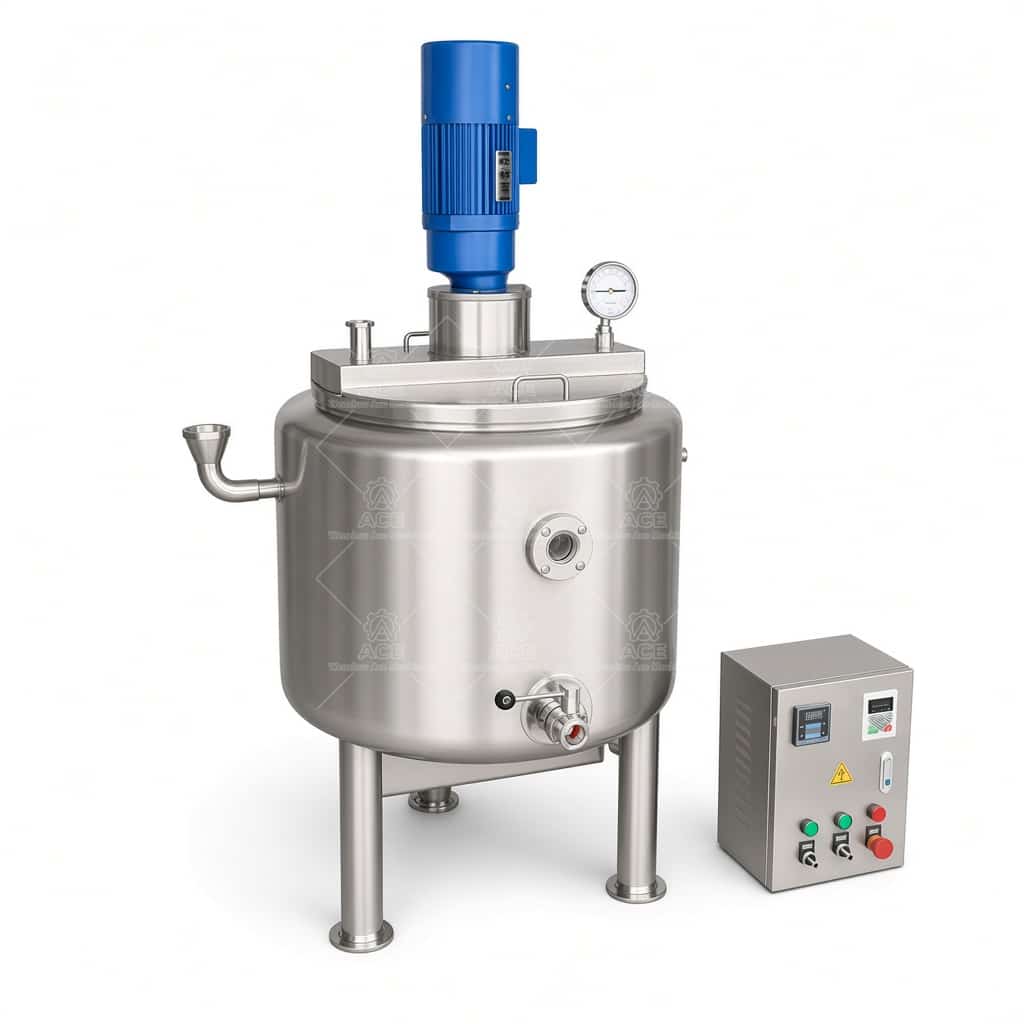
ASME-stamped stainless steel mixing tanks are available for 100 to 1,000 L batches in chemical, food, and beverage production. Vessel material grade, agitator geometry, drive sizing, seals, surface finish, heating, and code scope depend on product properties and operating conditions. Share batch volume, viscosity, temperature, and cleaning requirements to develop a suitable configuration.
- Capacity: 50 liters to 30,000 liters
- Mixer power: 1.5 kW to 55 kW
- Material: 304 or 316L
- Voltage: 110V to 600V
- Heating method: Electric or steam heating
- Layer:single/double jacket/three jacket
- Mixer types: Impeller-type, Anchor-type, Turbine-type, High-shear-type, Magnetic mixer, Anchor-type mixer with scrapers,dispersing
- Optional: platform, wheels, ladder,variable frequency drive,explosion-proof device
- Certificates: ASME, CE, GMP, UL, ATEX, ISO 9001
- Our equipment supports customisation, global delivery, and a 1-year warranty.
- If you have drawings, we can process them for you.
Note: Please contact our sales team before placing an order. Website prices are for reference only; specific pricing requires understanding your requirements to provide a quote.
Email:info@ace-chn.com
Tel: +86 186 2683 5909
WeChat: ace-chn
WhatsApp: +86 186 2683 5909
¥2,257.45 – ¥2,708.71Price range: ¥2,257.45 through ¥2,708.71
Guaranteed Safe Checkout

Recommend RPM: 0-960RPM
Viscosity: Low/medium viscosity
Application: Mainly Liquid mixing

Recommend RPM: 0-200RPM
Viscosity: Low/medium viscosity
Application: Mainly Liquid mixing

Recommend RPM: 30RPM
Viscosity: Medium/High viscosity
Application: Melting, High viscosity product mixing, For single wall tank

Recommend RPM: 30RPM
Viscosity: Medium/High viscosity
Application: Melting, High viscosity product mixing, For jacket tank

Recommend RPM: 1480/2850 RPM
Viscosity: Low/medium viscosity
Application: Liquid powder mixing and dispersion

Recommend RPM: 2800 - 3200 RPM
Viscosity: Low/medium/High viscosity
Application: Liquid powder mixing and homogenizing

Recommend RPM: 0-355RPM
Viscosity: Low/medium viscosity
Application: Install at bottom, No mechanical seal working condition

Recommend RPM: As above
Viscosity: Low/medium viscosity
Application: Liquid powder mixing and dispersion For tank volume >300L
ASME-Stamped Mixing Tanks, Configured for the Process
This mixing tank is intended for production batches from 100 to 1,000 liters where a vessel must combine ingredients, maintain a uniform blend, or support a defined process condition. Chemical, food, and beverage duties place different demands on the tank: a viscous intermediate may need higher torque, while a low-viscosity liquid may mix effectively with a simpler impeller. We size the vessel and mixing system around the actual batch and operating sequence rather than capacity alone.
Materials and fabrication
“SUS” identifies stainless steel generally; it does not specify an exact alloy. We confirm the stainless grade against the product chemistry, cleaning agents, temperature, and chloride exposure. Product-contact welds, internal finish, and surface treatment should be defined with the required cleanability and corrosion resistance in mind. A smoother finish can help with washdown and residue removal, but the required finish should be stated in the purchase specification rather than assumed.
The ASME stamp and its scope must be confirmed against the vessel design basis. Pressure or vacuum conditions, design temperature, applicable code requirements, and inspection documentation affect construction. Seals are selected for product compatibility, temperature, cleaning method, and shaft arrangement. These details are especially important when a process alternates between products or uses aggressive cleaning chemicals.
Mixing, heating, and controls
Motor and gearbox selection depends on viscosity, batch level, required turnover, and mixing time. Impeller type and position also matter: a high-shear head, for example, serves a different purpose from an axial-flow impeller used for general blending. Baffles may be considered where they improve circulation, but their geometry can affect cleaning access. Heating may be configured when the process requires it; the method and control approach depend on target temperature, heating rate, product sensitivity, and available utilities. No fixed motor power, finish, or temperature range is assumed without process data.
Technical specifications
| Item | Available information |
|---|---|
| Capacity | 100 to 1,000 L nominal range |
| Material | Stainless steel; exact grade to be specified |
| Code | ASME-stamped construction; scope to be confirmed |
| Agitator, drive, heating, finish | Configured to process requirements |
Common questions
Can one tank serve food and chemical products? Potentially, but material compatibility, seal selection, cleaning validation, and cross-contamination controls must be reviewed for both duties.
What should we send for a quotation? Provide working and maximum batch volume, product density and viscosity, ingredient addition method, mixing time, temperature profile, pressure or vacuum conditions, cleaning procedure, and site power and utility details. These inputs let our engineers recommend a practical vessel, agitator, and control configuration.
